Starting Your Journey with an Electric Scooter
Imagine this: You’re stuck in traffic, fuel prices are rising, and daily commuting feels like a burden. Then you see someone smoothly passing by on an electric scooter—no noise, no fuel cost, just effortless movement.
That’s exactly why beginners are now turning to electric scooters.
But here’s the reality—not every scooter is beginner-friendly. Choosing the wrong one can lead to discomfort, poor control, or even safety risks.
So, how do you pick the right one?
Let’s break it down in a simple and practical way.
What Beginners Actually Need (Not What Sellers Tell You)
When you’re buying your first scooter, you don’t need the fastest or the most expensive one. You need something that feels easy, stable, and safe.
A beginner scooter should feel like:
- Easy to balance
- Smooth to accelerate
- Comfortable to stop
The Ideal Specs for First-Time Riders
Instead of overwhelming you with technical details, here’s what actually matters:
Speed That Feels Safe
For beginners, speed should be controlled—not exciting.
- Ideal range: 20–25 km/h
- Enough for city travel
- Safe for learning
- High-speed scooters might look cool, but they are risky for first-time riders.
Motor Power That’s Balanced
Power matters, but too much power is dangerous for beginners.
- Best choice: 250W to 350W
- Smooth acceleration
- Easy handling
- This range gives you control without making the scooter aggressive.
Battery That Matches Your Daily Life
You don’t need a long-range monster scooter on day one.
- Ideal range: 15–30 km per charge
- Perfect for short daily trips
- Less range = lighter scooter = easier control
Why Lightweight Scooters Win for Beginners
Here’s something most guides don’t tell you:
Heavy scooters are harder to control.
A beginner should always go for:
- Lightweight body (under 15 kg)
- Foldable design
- Easy storage
- If you can carry it easily, you can control it easily.
Safety Is Not Optional (It’s Everything)
Let’s be real—this is where most beginners make mistakes.
They focus on looks and ignore safety.
Here’s what your scooter must have:
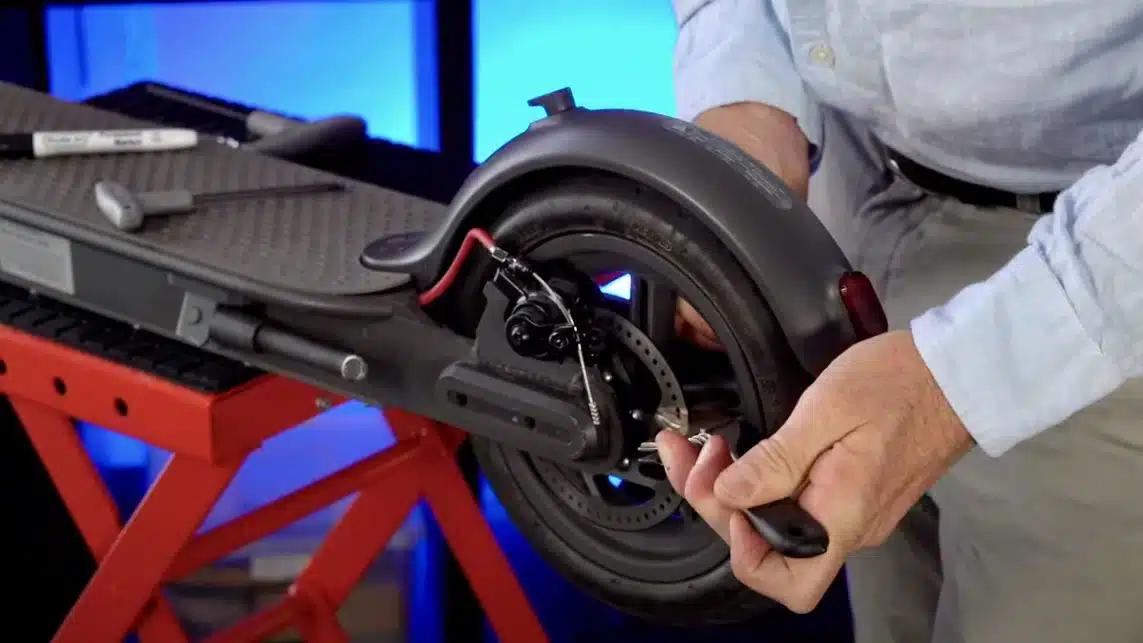
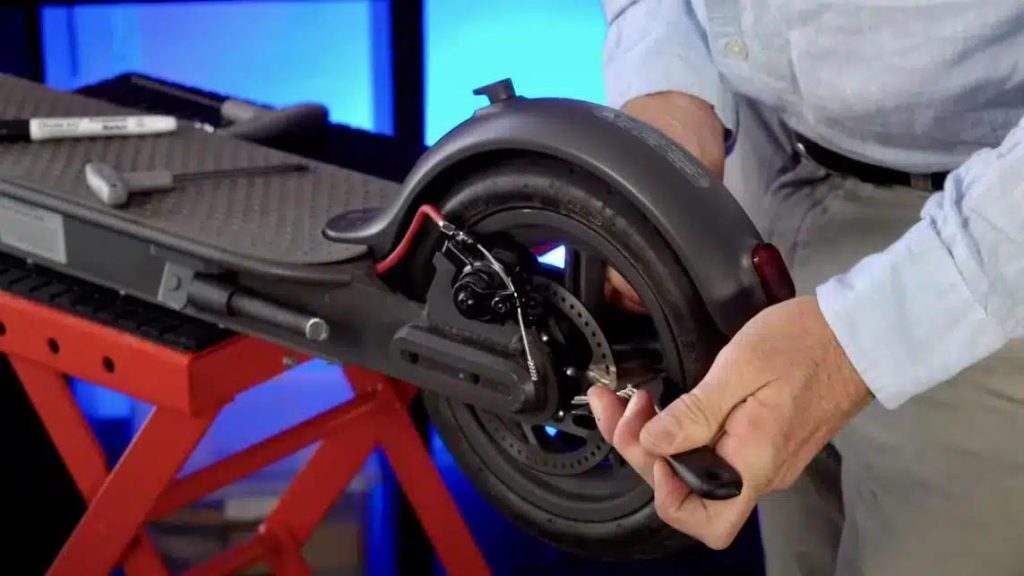
- Reliable braking system
- Good grip tires
- Bright front & rear lights
- A safe scooter builds confidence.
Real Talk: What You Should Avoid
Before buying, keep this in mind:
❌ Don’t buy high-speed scooters
❌ Don’t go for unknown cheap brands
❌ Don’t ignore weight and portability
❌ Don’t skip safety features. Cheap + powerful = dangerous combo for beginners
Beginner-Friendly Scooter Types
Instead of specific brands, let’s talk about types:
🔹 Daily Commuter Scooter
- Balanced speed
- Good battery
- Lightweight
- Best for office or student use.
🔹 Budget Starter Scooter
- Simple features
- Lower price
- Basic performance
- Good for testing if scooters fit your lifestyle
Premium Beginner Scooter
- Smooth ride
- Better safety
- Longer lifespan
- Best for long-term use
First Ride Tips (Most Important Section)
Your first ride decides your experience.
Follow these tips:
- Start in an open area
- Keep speed low
- Practice braking first
- Always wear a helmet
- Confidence builds step by step
Why Electric Scooters Are Perfect for Beginners
Electric scooters are beginner-friendly because they are:
- Simple to operate
- Affordable to maintain
- Eco-friendly
- Perfect for short distances
- They don’t require special skills like motorcycles or cars.
Final Thoughts
Your first electric scooter should not impress others—it should make your life easier.
Focus on:
- Comfort over speed
- Safety over style
- Simplicity over features
- That’s the real beginner strategy.
Conclusion
Starting with the right electric scooter can completely change your daily routine. It saves time, reduces cost, and gives you independence in crowded city life. Take your time, choose wisely, and enjoy the ride.