Introduction
Electric scooters are fast, convenient, and increasingly popular for daily commuting. However, with speed comes risk. Even a small accident can cause serious head injuries, which is why choosing the right helmet is essential.
This electric scooter helmet guide will help you understand different helmet types, safety standards, and how to choose the perfect one for your riding style.
Why You Need a Helmet for Electric Scooters
Riding an electric scooter without a helmet is extremely risky. Scooters can reach speeds of 25–40 km/h or more, and accidents often result in direct impact to the head.
A helmet helps:
- Protect your brain from serious injury
- Reduce impact force during crashes
- Increase confidence while riding
Experts strongly recommend wearing a helmet at all times, regardless of speed.
Types of Electric Scooter Helmets
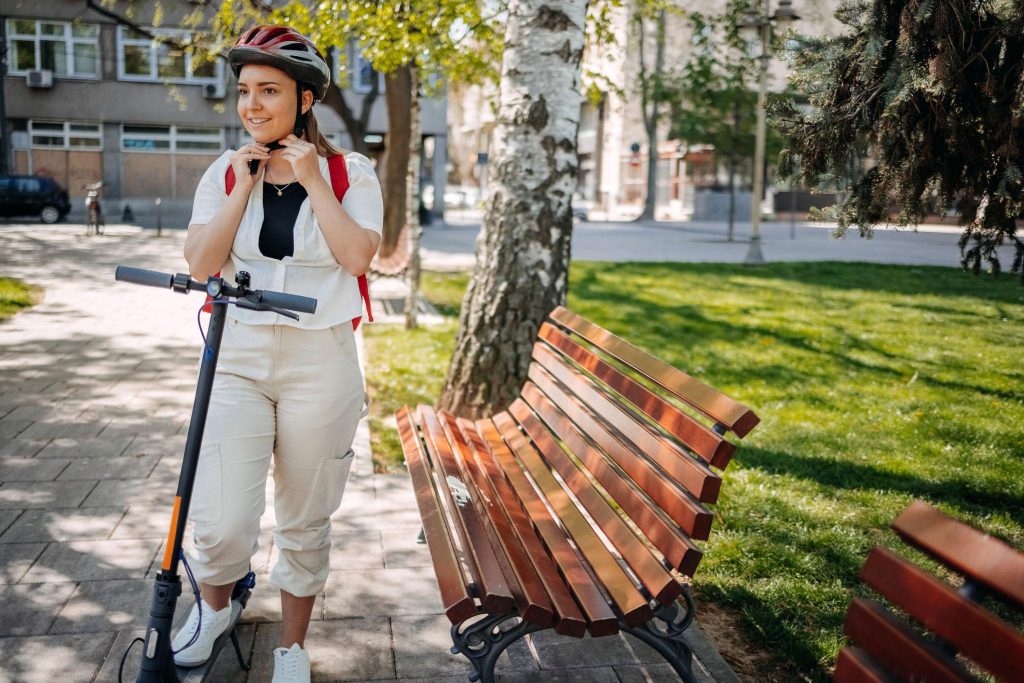
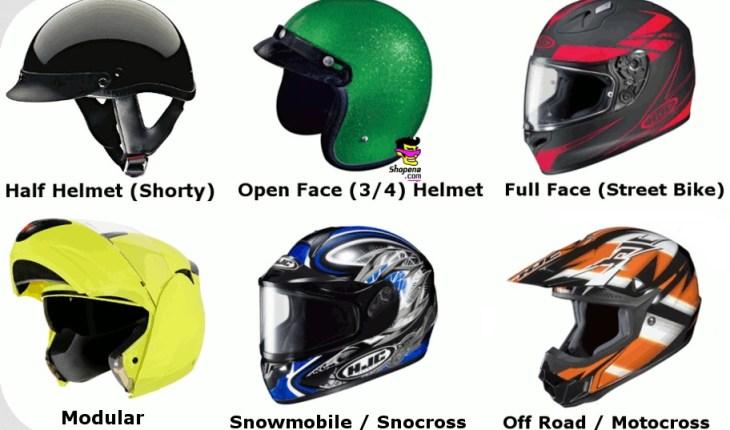
There is no single helmet designed only for scooters. Instead, you can choose from different types based on your speed and risk level.
1. Bicycle Helmet (Low-Speed Riding)
- Best for speeds under 20 mph (32 km/h)
- Lightweight and comfortable
- Good ventilation
These helmets are ideal for short city rides and beginners. However, they do not protect your face or chin.
2. Full-Face / Downhill Helmet (Medium Protection)
- Covers entire face and chin
- Designed for higher impact protection
- Suitable for moderate speeds
This type is highly recommended for electric scooter riders because accidents often involve forward falls.
3. Motorcycle Helmet (Maximum Protection)
- Highest level of safety
- Strong outer shell and thick padding
- Suitable for high-speed scooters
Motorcycle helmets are ideal for riders who use powerful scooters or travel long distances at high speeds.
Helmet Safety Standards (Very Important)
Always check safety certifications before buying a helmet. These standards ensure that the helmet can handle impact properly.
Common Safety Standards:
- CPSC – Basic bicycle helmet safety
- Snell B90/B95 – Higher bicycle safety standard
- NTA 8776 – Designed for e-bikes and higher speeds
- DOT / Snell M – Motorcycle-level protection
Higher certification means better protection.
Key Features to Look For
Choosing the right helmet is not just about type. You should also consider important features.
1. Outer Shell Material
Look for materials like:
- Polycarbonate
- Fiberglass
- Carbon fiber
These materials provide strong impact resistance.
2. Impact Absorption (Inner Liner)
Most helmets use EPS foam to absorb shock during a crash. This layer reduces the force reaching your head.
3. Ventilation System
Good airflow keeps your head cool and comfortable, especially in hot weather.
4. Strap and Fit System
A secure strap ensures the helmet stays in place during impact. A loose helmet can be dangerous.
5. Visor or Face Shield
Some helmets come with visors that:
- Protect from dust and wind
- Improve visibility
- Reduce eye strain
How to Choose the Right Helmet
Step 1: Know Your Speed
- Low speed → Bicycle helmet
- Medium speed → Full-face helmet
- High speed → Motorcycle helmet
Your scooter’s speed should determine your helmet type.
Step 2: Measure Your Head Size
Use a measuring tape around your head (above eyebrows). Choose a helmet that fits snugly without being too tight.
A proper fit is essential for safety and comfort.
Step 3: Check Comfort
If a helmet is uncomfortable, you will not wear it regularly. Look for:
- Soft padding
- Lightweight design
- Breathable interior
Step 4: Consider Your Riding Conditions
Choose a stronger helmet if you:
- Ride in traffic
- Ride at night
- Travel long distances
- Ride in bad weather
Higher risk requires better protection.
Full Face vs Open Face Helmet
| Feature | Full Face Helmet | Open Face Helmet |
|---|---|---|
| Protection | Maximum | Moderate |
| Face Coverage | Yes | No |
| Comfort | Slightly heavier | Lightweight |
| Best For | High speed | Low speed |
Full-face helmets are generally safer for electric scooter riders because they protect the chin and face.
Common Mistakes to Avoid
Many riders make mistakes when choosing helmets. Avoid these:
- Buying cheap, uncertified helmets
- Choosing wrong size
- Not wearing helmet regularly
- Using only basic bike helmets for high speed
These mistakes can reduce protection significantly.
When Should You Replace Your Helmet
You should replace your helmet:
- After any crash
- Every 3–5 years
- If you see cracks or damage
Helmets lose effectiveness over time, even if they look fine.
Conclusion
Choosing the right helmet is one of the most important decisions for any electric scooter rider. It is not just an accessory—it is a lifesaving tool.
From basic bicycle helmets to high-protection motorcycle helmets, each type serves a purpose. The key is to match your helmet with your riding speed and environment.
A good helmet provides safety, comfort, and confidence. Always invest in a high-quality helmet and make it a habit to wear it every time you ride.